Cancer Research
The human body is comprised of trillions of cells, all working in harmony to maintain life and health. In a normal cycle, cells reproduce through cell division and die through a regulated process called apoptosis. The body constantly manages this system with extreme precision to grow and heal, sending exact signals that dictate how and when cells execute their programming. Occasionally, however, damaged or mutated cells bypass these signals. They begin to divide uncontrollably and spread throughout the body, developing into cancer. Cancer can appear anywhere on the body and tends to take many different forms, with more than 100 recorded types of cancer that fall into 5 major categories: Carcinoma, Sarcoma, Leukemia, Lymphoma, and Melanoma.
The most common are carcinomas, which develop in the epithelial tissue making up the skin and the linings of internal organs and passageways, such as the digestive tract. Sarcomas originate in the body’s supportive and connective tissues, including bones, muscles, fat, cartilage, and blood vessels. Leukemia is a blood cancer that begins in the bone marrow, disrupting the blood-forming tissues, leading to an overproduction of abnormal and immature white blood cells, severely impairing immune function, oxygen transport, and normal blood clotting. Lymphoma is also a blood cancer where infection-fighting white blood cells (lymphocytes) mutate, accumulating in lymph nodes, bone marrow, or other organs, impairing the immune system. Melanoma is a cancer that begins in cells that become melanocytes, which are specialized cells that make melanin.
There is no singular cause for cancer. It’s a genetic disease whose risk can be increased by many factors, such as mutated genes inherited from parents, errors during cell division, and damage to cells caused by carcinogens. Carcinogens are substances that can increase one’s risk of cancer, and there are over 100 known ones.
They can be physical, chemical, or biological and directly damage cellular DNA. When the body’s natural repair mechanisms fail to correct this damage, genetic mutations can occur, causing cells to multiply uncontrollably, becoming cancerous. In the United States, tobacco products are the leading carcinogen and are responsible for over 80% of all lung cancer. Similarly, frequent alcohol consumption acts as a carcinogen, with studies showing that the more alcohol you consume, the higher the chance of developing cancer. Newer epidemiological studies have shown that a large consumption of red or processed are responsible for a small but real increase in the risk of cancer, albeit very slightly.
Avoiding tobacco is one of the most impactful decisions a person can make, removing one of the most potent and direct sources of DNA-damaging chemicals from your body. Tobacco smoke contains over 70 known carcinogens that assault the lungs, throat, and mouth with every use. Smoking damages the body’s natural repair mechanisms, overwhelming them, dramatically lowering the risk of not just lung cancer, but cancers of the mouth, throat, esophagus, bladder, and more. The best way to avoid carcinogens from tobacco products is to avoid them entirely.
Limiting or avoiding alcohol follows the same logic. Because alcohol functions as a carcinogen, reducing consumption directly reduces the chemical stress placed on your cells. The liver, which processes alcohol, is particularly vulnerable, but alcohol-related cellular damage also extends to the breast, colon, and esophagus. Cutting back — or cutting it out entirely — removes a consistent source of DNA damage that the body would otherwise have to fight against.
There is no singular cause for cancer. It’s a genetic disease whose risk can be increased by many factors, such as mutated genes inherited from parents, errors during cell division, and damage to cells caused by carcinogens. Carcinogens are substances that can increase one’s risk of cancer, and there are over 100 known ones.
They can be physical, chemical, or biological and directly damage cellular DNA. When the body’s natural repair mechanisms fail to correct this damage, genetic mutations can occur, causing cells to multiply uncontrollably, becoming cancerous. Wearing sunscreen addresses one of the most common and preventable forms of cancer: skin cancer. Ultraviolet (UV) radiation from the sun is a physical carcinogen that directly damages the DNA in skin cells. Over time, repeated UV exposure overwhelms the skin’s repair systems, leading to mutations that can become melanoma or other skin cancers. Sunscreen acts as a physical barrier that absorbs or reflects UV rays before they can penetrate and damage cellular DNA, making it one of the simplest and most effective protective tools available.
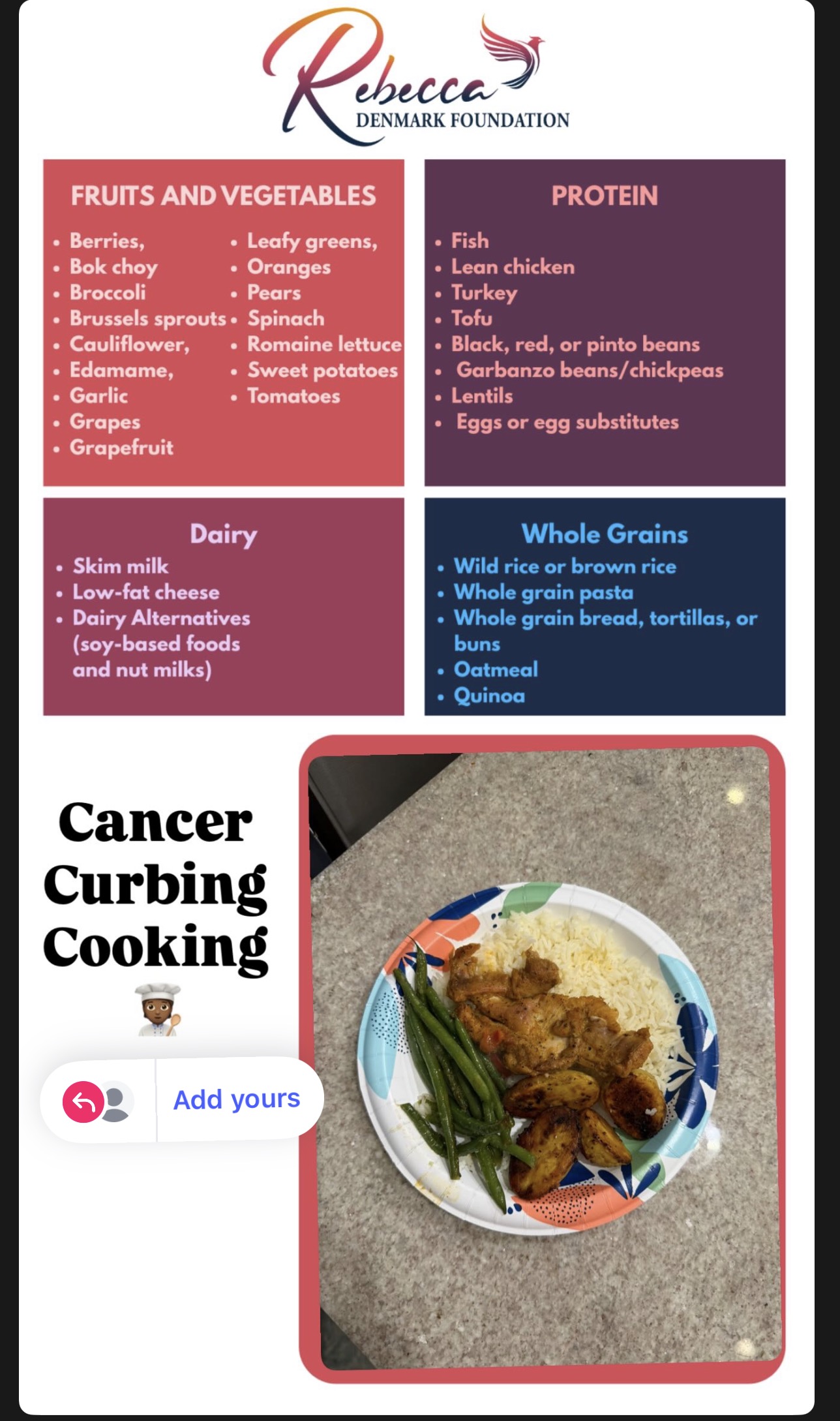
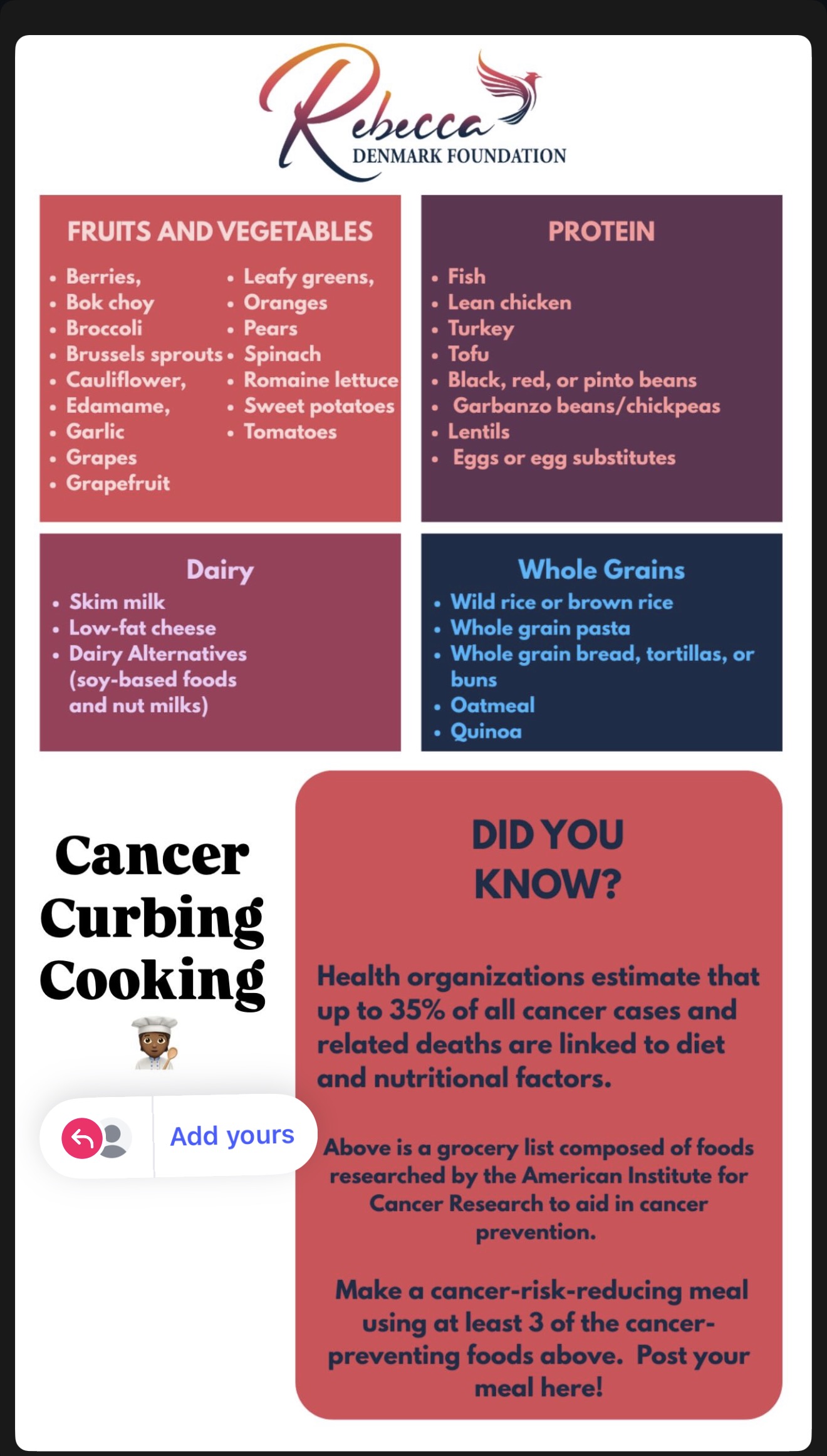
Eating a healthy diet supports cancer prevention from the inside out. Diets rich in fruits, vegetables, whole grains, and fiber provide the body with antioxidants — compounds that neutralize free radicals, which are unstable molecules that can damage DNA. A nutrient-dense diet also supports a healthy gut microbiome and reduces chronic inflammation, both of which play a role in cancer development. Conversely, limiting red and processed meats — which carry a small but real increased cancer risk — further reduces unnecessary cellular stress.
Maintaining a healthy body through regular exercise lowers cancer risk through several interconnected mechanisms. Physical activity helps regulate hormones like estrogen and insulin, elevated levels of which have been linked to certain cancers, particularly breast and colon cancer. Exercise also reduces chronic inflammation, strengthens immune function, and helps maintain a healthy body weight. Excess body fat, especially around the abdomen, promotes the production of hormones and inflammatory signals that can encourage abnormal cell growth. Staying active keeps these biological systems in balance.
Scheduling consistent checkups with a doctor may be the most strategically important habit of all. Cancer is most treatable — and most survivable — when caught early.
Routine screenings such as mammograms, colonoscopies, and skin checks allow physicians to detect abnormal cell changes before they become fully cancerous or spread. A doctor can also assess your personal risk factors, family history, and lifestyle to recommend targeted preventive measures. Regular visits transform cancer prevention from passive hope into an active, monitored strategy.
Maintaining a healthy body through regular exercise lowers cancer risk through several interconnected mechanisms. Physical activity helps regulate hormones like estrogen and insulin, elevated levels of which have been linked to certain cancers, particularly breast and colon cancer. Exercise also reduces chronic inflammation, strengthens immune function, and helps maintain a healthy body weight. Excess body fat, especially around the abdomen, promotes the production of hormones and inflammatory signals that can encourage abnormal cell growth. Staying active keeps these biological systems in balance.
Scheduling consistent checkups with a doctor may be the most strategically important habit of all. Cancer is most treatable — and most survivable — when caught early.
Routine screenings such as mammograms, colonoscopies, and skin checks allow physicians to detect abnormal cell changes before they become fully cancerous or spread. A doctor can also assess your personal risk factors, family history, and lifestyle to recommend targeted preventive measures. Regular visits transform cancer prevention from passive hope into an active, monitored strategy.